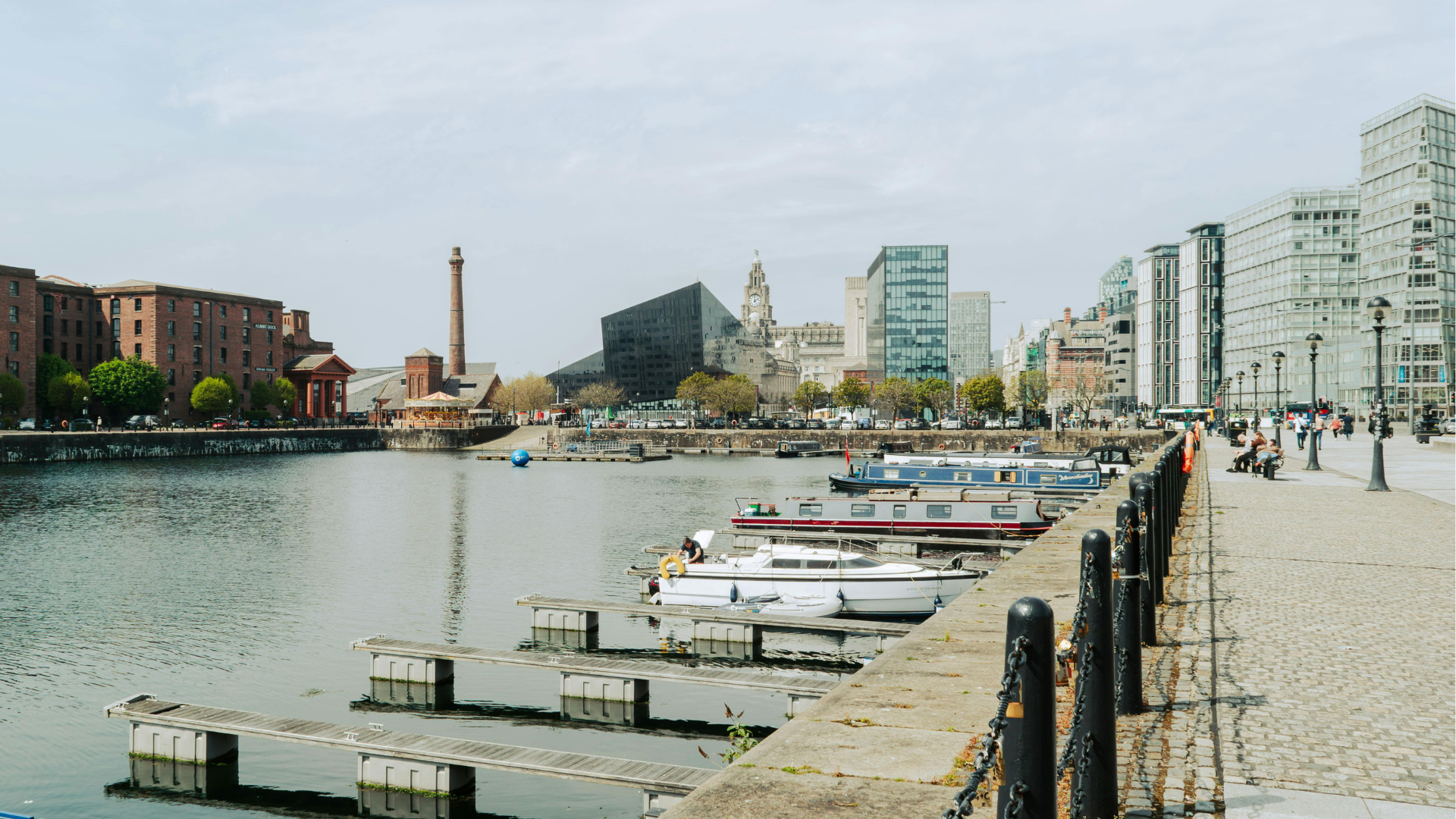
Liverpool Property Investment in 2026
As the UK property market stabilises heading into 2026, Liverpool continues to stand out as a city that attracts investors because of its relative affordability, rental demand and ongoing regeneration. Average property prices in Liverpool have grown steadily, and rental markets remain active even as national markets moderate. For investors seeking opportunities in urban residential property, Liverpool presents a combination of strong fundamentals and compelling entry points that warrant close examination.
A Market With Affordability and Momentum
Official figures show that the average house price in Liverpool was around £181,000 in late 2025, up on the year before and below national averages, which helps make the city accessible for investors and first-time buyers alike. In the year to October 2025 the annual change in prices for terraced houses was more than 8 per cent, while flats saw more modest increases. These figures reflect a broader pattern of growth that outpaces much of the North West and in some cases surpasses national performance.
Affordability reinforces demand from tenants. Rents in Liverpool grew by around 8 per cent year on year by late 2025, though this pace is expected to slow slightly in 2026 as broader markets cool. Vacancy rates remain low relative to the national average, meaning properties in many parts of the city still find tenants relatively quickly.
Rental Yields That Compare Favourably
Across the UK the average gross rental yield is around six per cent, yet Liverpool consistently ranks higher. Typical yields in many Liverpool postcodes range from six to eight per cent, and in some areas the forecast for yields approaches eight to ten per cent. These levels are well above the national average and reflect a combination of relatively low entry prices and continued rental demand from students, professionals and families.
Such yields have supported sustained interest from investors who seek real income rather than speculative capital growth alone. In a market where many investors are reassessing more expensive cities, Liverpool’s combination of yield, price growth and demographic demand continues to stand out.
Regeneration and Demographic Drivers
Liverpool’s long running regeneration projects remain a background force shaping both demand and investor confidence. Areas such as the Knowledge Quarter, Baltic Triangle and waterfront continue to draw infrastructure investment, commercial activity and residential interest. That backdrop supports both rental demand and long term capital value as the city evolves beyond its historical industrial role toward a more diversified economic base.
Projects like Abbey Row exemplify the type of development that draws this interest. Situated within Liverpool’s evolving urban core, the development combines contemporary design with practical living spaces that align with what many tenants and owner-occupiers now seek in city living. For investors, developments like this offer entry into markets that benefit from quality specification in areas with strong underlying demand. Visit the Abbey Row development page to explore floor plans, pricing and location details.
Key Areas to Watch in 2026
While city-wide trends provide context, Liverpool’s neighbourhoods vary in performance and appeal:
-
Knowledge Quarter remains strong for rental demand because of its proximity to universities, health institutions and employment hubs.
-
Baltic Triangle combines creative and commercial clusters with vibrant residential demand.
-
City Centre and Waterfront continue to attract tenants who prioritise convenience and lifestyle, though prices are higher.
-
Peripheral postcodes such as L4, L5 and L6 often offer higher yields and lower entry points for investors.
These patterns reflect a market that is both broad and nuanced, meaning investors can align choices with individual strategy, whether focused on rental income, capital growth or a blend of both.
Outlook for 2026
National forecasts suggest modest house price growth in 2026, with analysts pointing to increases of around two to four per cent. At the same time, regional markets such as northern England are expected to outperform parts of the south because of stronger demand dynamics and more affordable pricing. Liverpool sits within that north-centred trend and may continue to see interest from both domestic investors and those relocating capital from more expensive areas.
Investors are likely to benefit from a mix of solid rental fundamentals, ongoing regeneration and a clearer trajectory for mortgage rates and policy. While no market is without risk, Liverpool’s accessibility and resilience have helped it maintain a strong position within the broader UK property landscape.
Conclusion
Residential property investment in Liverpool in 2026 remains supported by data and fundamentals. The combination of affordability, rental demand, strong yields and regeneration activity creates a backdrop that appeals to both income-orientated landlords and long term portfolio builders. Success in this market requires careful selection, consistent standards and an understanding of local dynamics, but the evidence suggests that Liverpool’s property market is well suited to measured investment in the year ahead.
Photo by Gábor Balázs